Article
Exploring the Natural Wonders of O‘ahu
August 5, 2026

O‘ahu is a world-famous destination where the energy of Waikiki and Honolulu meets ancient Hawaiian traditions that remain vibrantly alive. But go beyond the beaches and you’ll find an island of extraordinary natural wonders — volcanic ridgelines dusted in green, valleys carpeted with native ferns, reefs alive with color, and waterfalls tucked into the folds of mountains.

The best nature experiences on O‘ahu reward those who seek them out, and Prince Waikiki sits at the perfect starting point for every one of them.


What You’ll Find in This Article


  • Natural wonders to visit on O‘ahu, including Lē‘ahi/Diamond Head, Mānoa Falls, Waimea Valley and Hanauma Bay
  • Hiking and walking options near Waikiki, from summit trails to coastal paths and scenic lookouts
  • Waterfalls, botanical gardens and cultural sites to add to your itinerary
  • Beaches close to Prince Waikiki for swimming, sunrise walks and time by the water
  • Planning details to know before you go, including reservations, trail conditions, reef-safe sunscreen and closures
  • Tips for exploring O‘ahu respectfully while helping protect its trails, reefs, wildlife and sacred places
Diamond Head/Lē‘ahi: Panoramic Views from an Ancient Crater

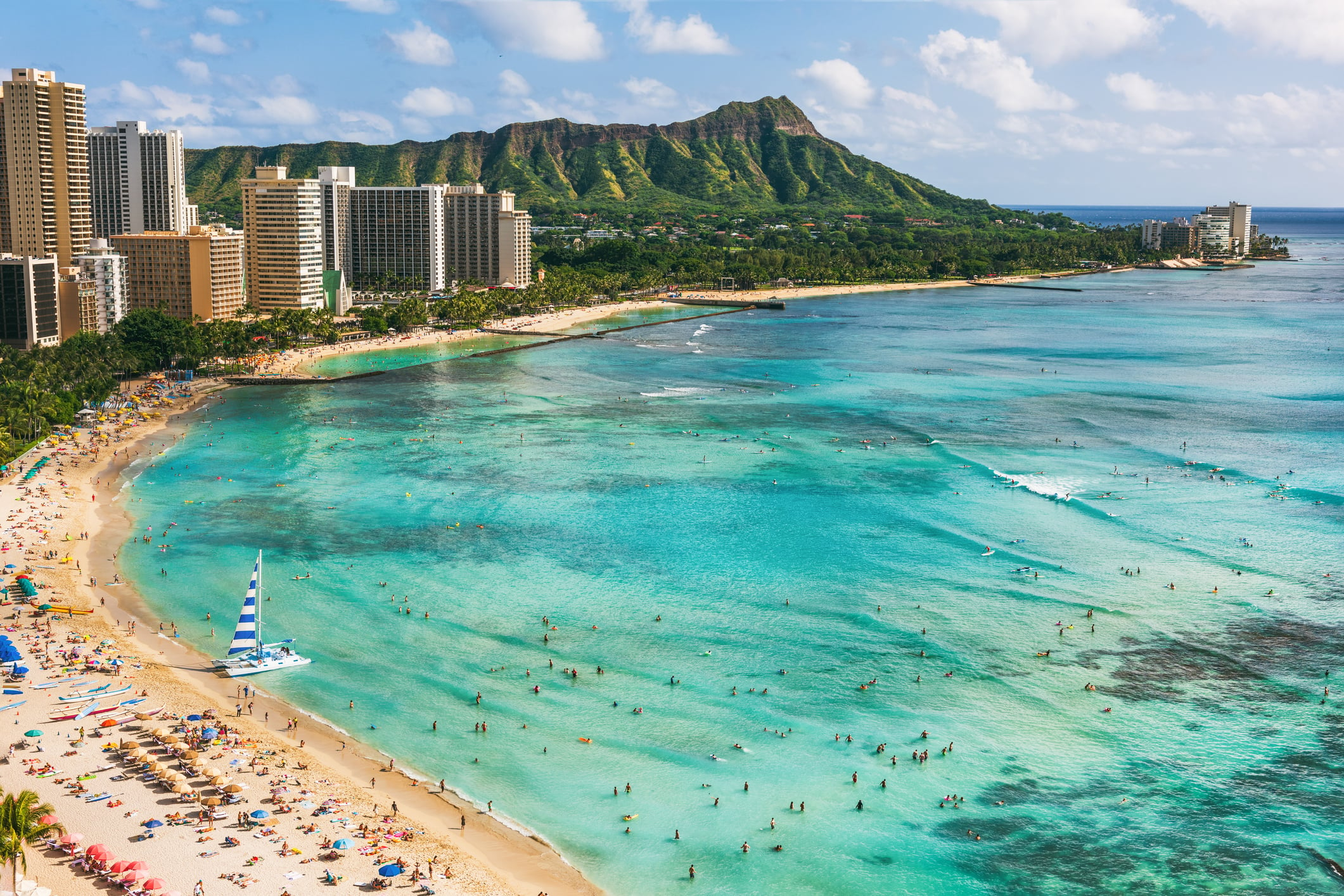
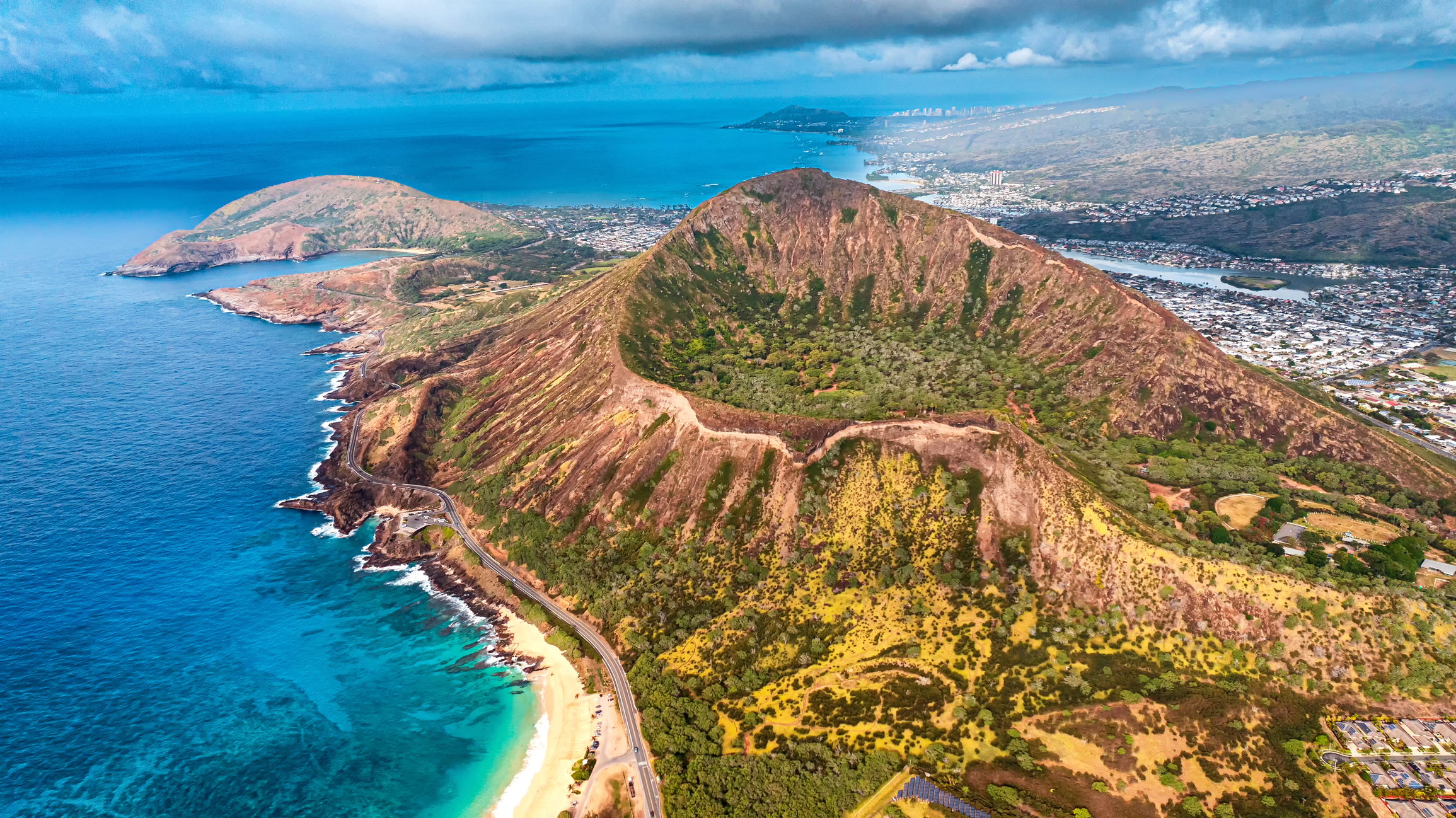
No introduction to O‘ahu’s natural wonders is complete without Diamond Head. Known to Hawaiians as Lē‘ahi — a name that references the brow of the ahi fish and honors the ridge’s distinctive silhouette — this dormant volcanic tuff cone has watched over the island for hundreds of thousands of years.


The trail to the summit is one of the most iconic O‘ahu hikes near Waikiki: a 1.6-mile round trip that climbs through the crater interior via switchbacks, tunnels, and staircases before opening onto a panoramic lookout. From the top, the full sweep of the coastline unfolds, a vivid reminder of just how beautifully land and sea come together on this island.


A few things to know before you go: reservations are required for non-residents and should be made in advance through the Hawaii State Parks system. The trail is well-maintained but exposed, so bring water, wear reef-safe sunscreen, and go early to beat both the heat and the crowds. Prince Waikiki is just minutes from the trailhead, making a sunrise start easy and convenient.

Mānoa Falls: Into the Heart of the Valley


If Diamond Head offers open sky and sweeping views, Mānoa Falls offers shade, mist, and one of O‘ahu’s lushest valleys.

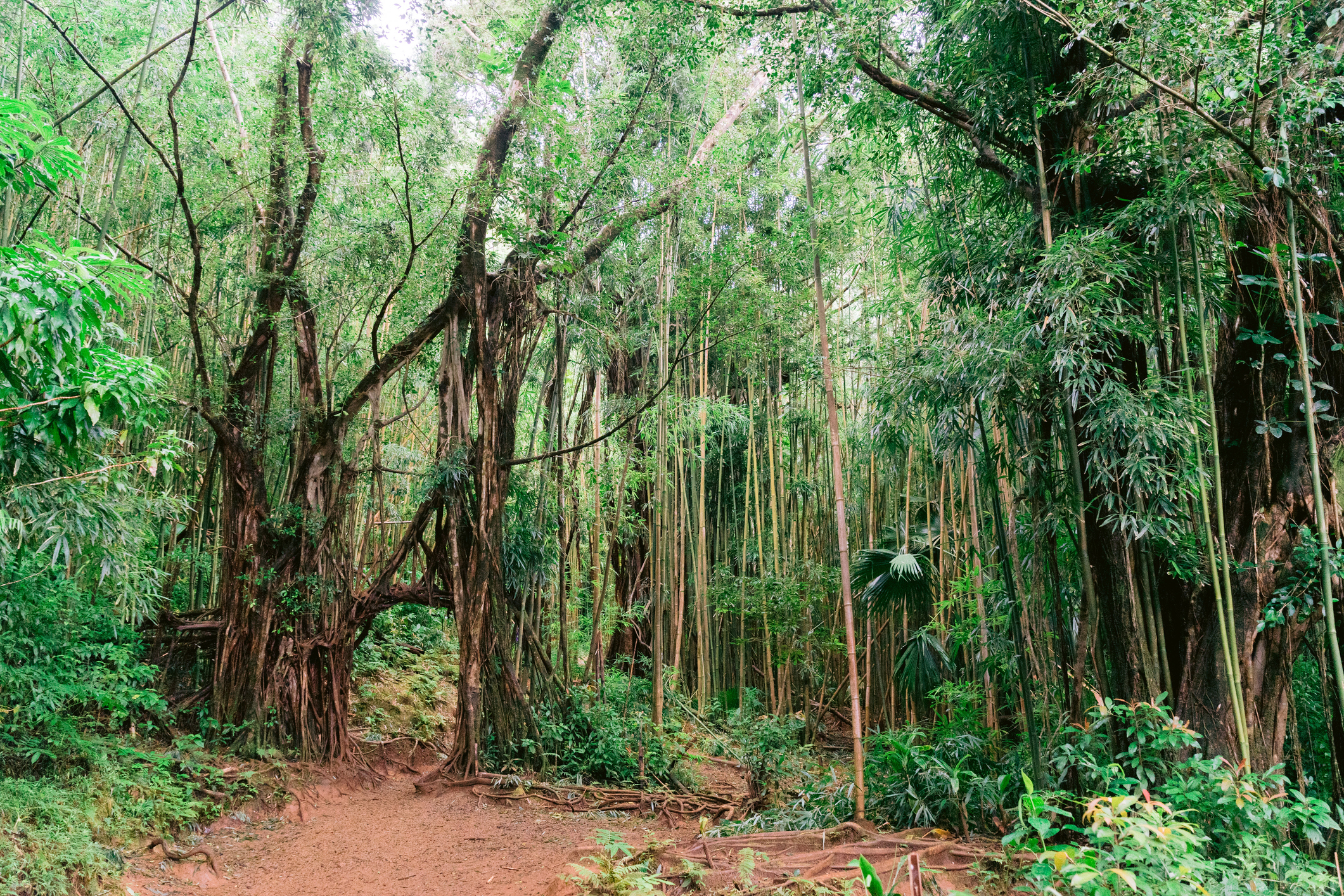
Located in Mānoa Valley just a short drive from Waikiki, the trail winds through one of O ‘ahu’s most beloved natural corridors. Bamboo groves tower overhead, native ‘ōhi‘ā lehua and hapu‘u tree ferns line the path, and the air carries the particular sensation of a valley that receives more than 150 inches of rain per year. The 1.6-mile round-trip trail ends at a 150-foot waterfall cascading into a shallow pool — one of the most photographed natural scenes on the island.

Mornings are ideal here. The trail is often quieter earlier in the day, and the soft light through the canopy gives the valley a calm, almost hushed quality. Wear shoes with grip, expect mud after rain, and stay on the marked trail. This is less about rushing to the waterfall and more about enjoying the valley as it changes with every step.


Ko‘olau Range: A National Natural Landmark


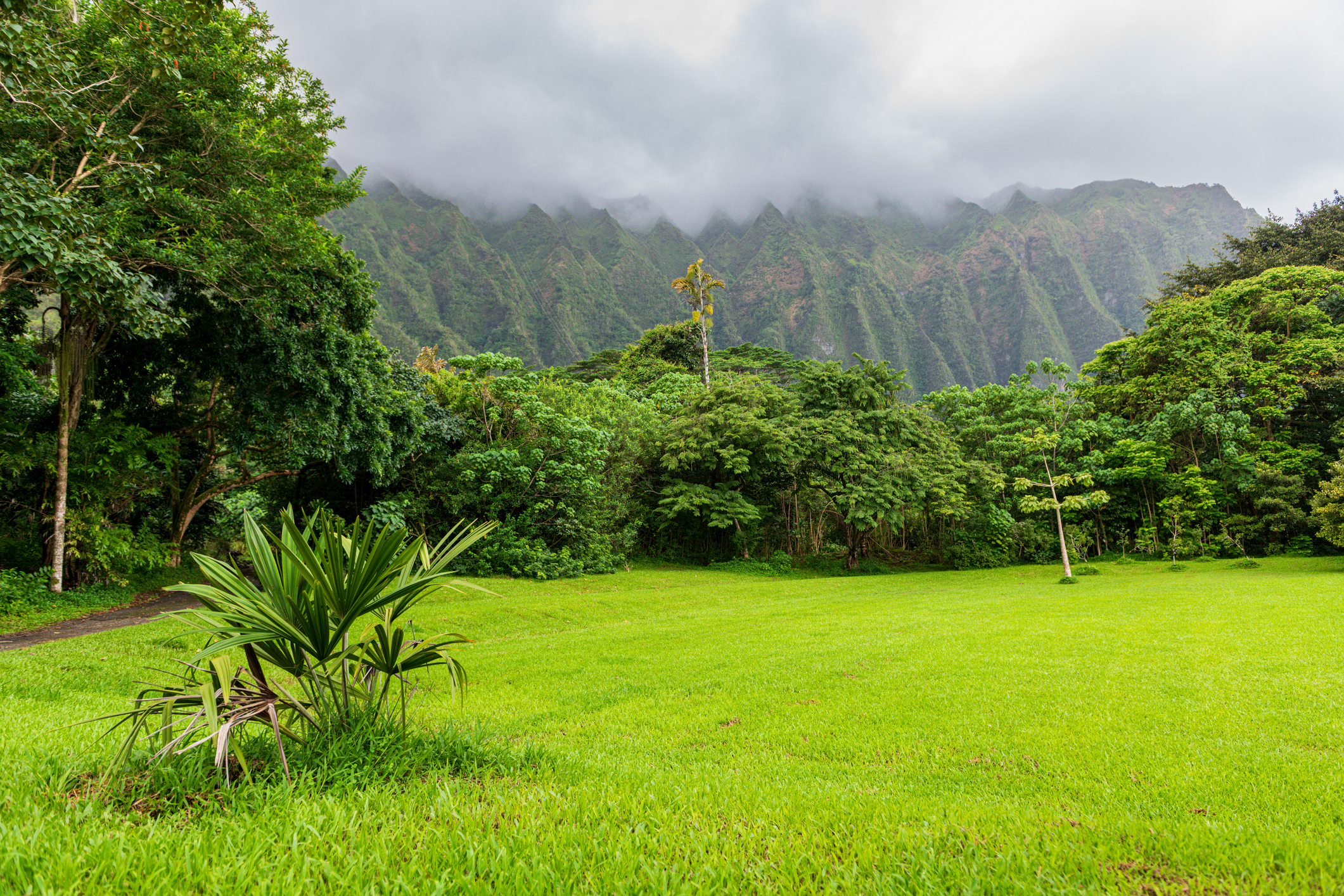
Running the length of O‘ahu’s windward side, the Ko‘olau Range is the island’s defining natural backdrop — a wall of ridges so steep and lush it seems almost unreal against a clear sky. The most scenic route to get there is via the Pali Highway (Hawaii Route 61), renowned for some of the most spectacular mountain-meets-coast views in all of Hawaii. Pull over at the Nu‘uanu Pali Lookout and feel the trade winds that have shaped this landscape for centuries.

For those seeking more challenging O‘ahu hiking, the Ko‘olau Range offers trails that reward the effort: the Makapu‘u Point Lighthouse Trail on the southeastern tip delivers coastal drama without technical difficulty, while routes like Kāne‘ohe’s Likeke Falls Trail lead through forests with far fewer crowds than trailheads closer to Waikiki. 

However you approach the Ko‘olau, the experience is a reminder that beneath the urban energy of Honolulu, O‘ahu is fundamentally a wild and ancient place.


Waimea Valley: Nature, Culture & A Sacred Waterfall


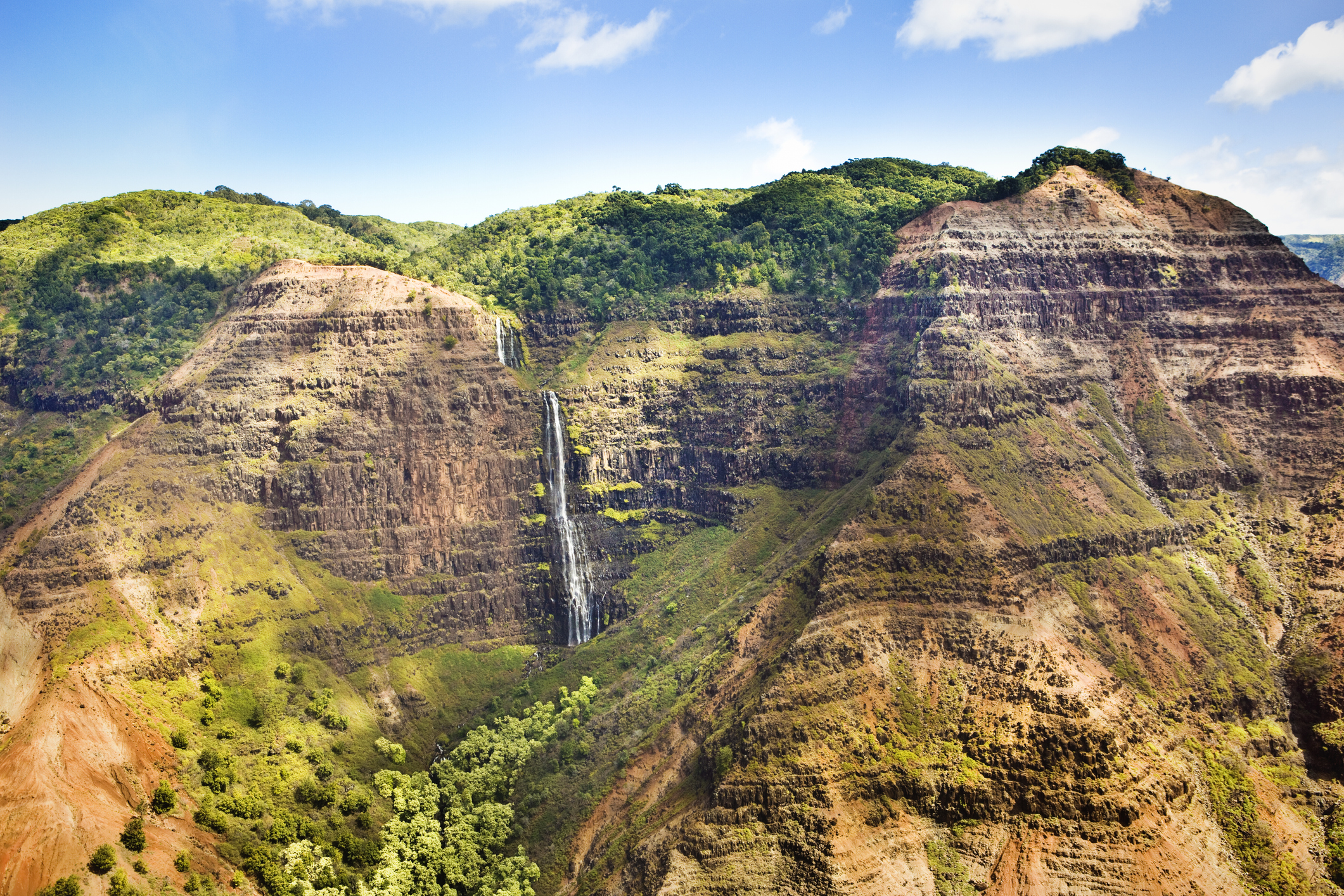
An hour’s drive north along Kamehameha Highway, Waimea Valley on the North Shore offers something distinct from the active hiking experiences elsewhere on the island: a leisurely, immersive journey through botanical gardens, native Hawaiian cultural sites, and one of the most accessible waterfalls on O‘ahu.

The valley has been significant to Native Hawaiians for centuries. Today, the 1,875-acre nature park preserves that legacy while welcoming visitors to walk at their own pace through collections of rare tropical plants, watch cultural demonstrations, and eventually arrive at Waimea Falls — a 45-foot cascade where swimming is permitted (life jackets provided).

Waimea Valley is especially well-suited for families, multi-generational groups, or travellers who want beauty, cultural context and a gentler pace. Plan for at least a half-day, especially if you’re driving from Waikiki. Admission is required, so check current hours and entry details before making the trip.


Hanauma Bay: A Marine Preserve Worth Protecting


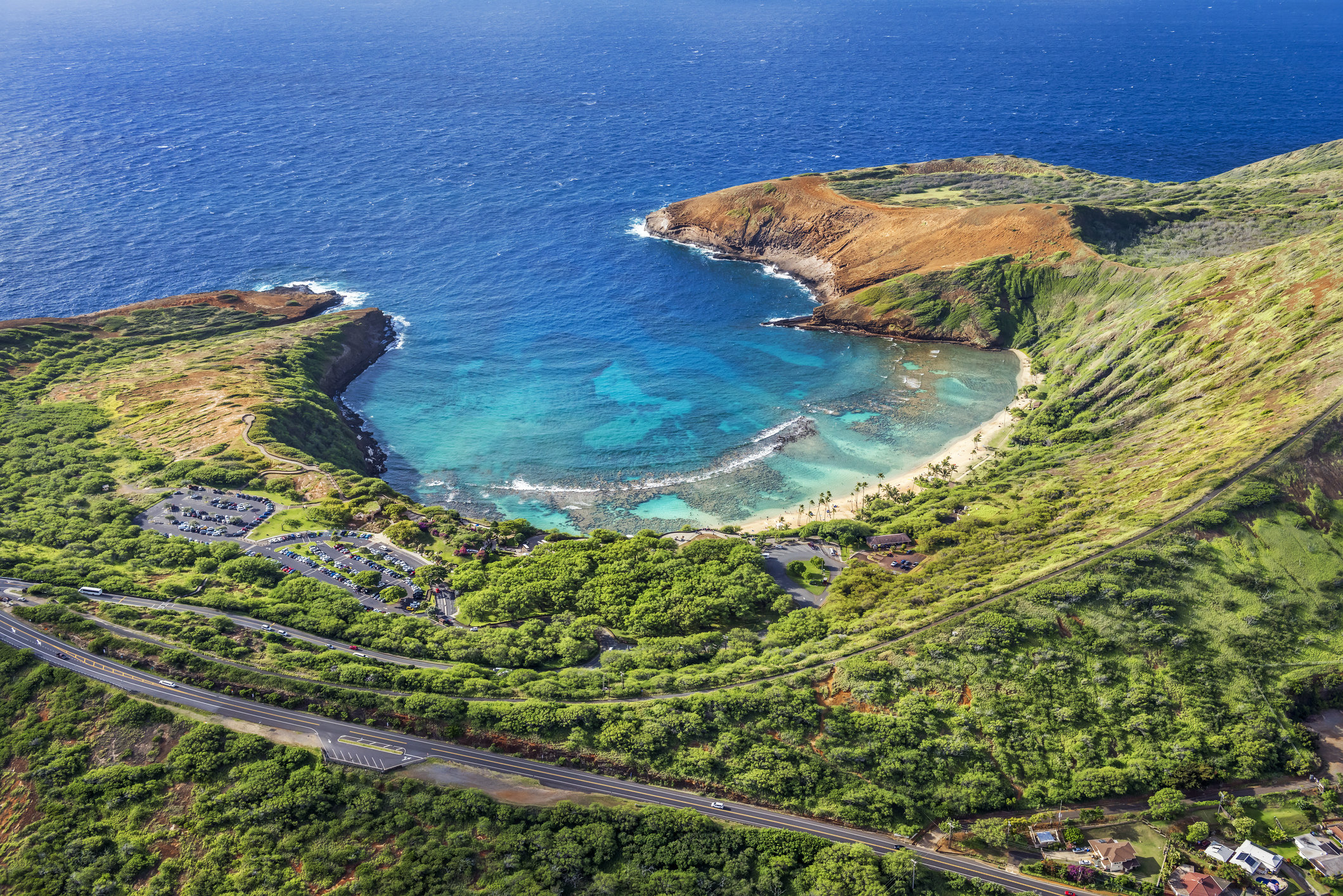
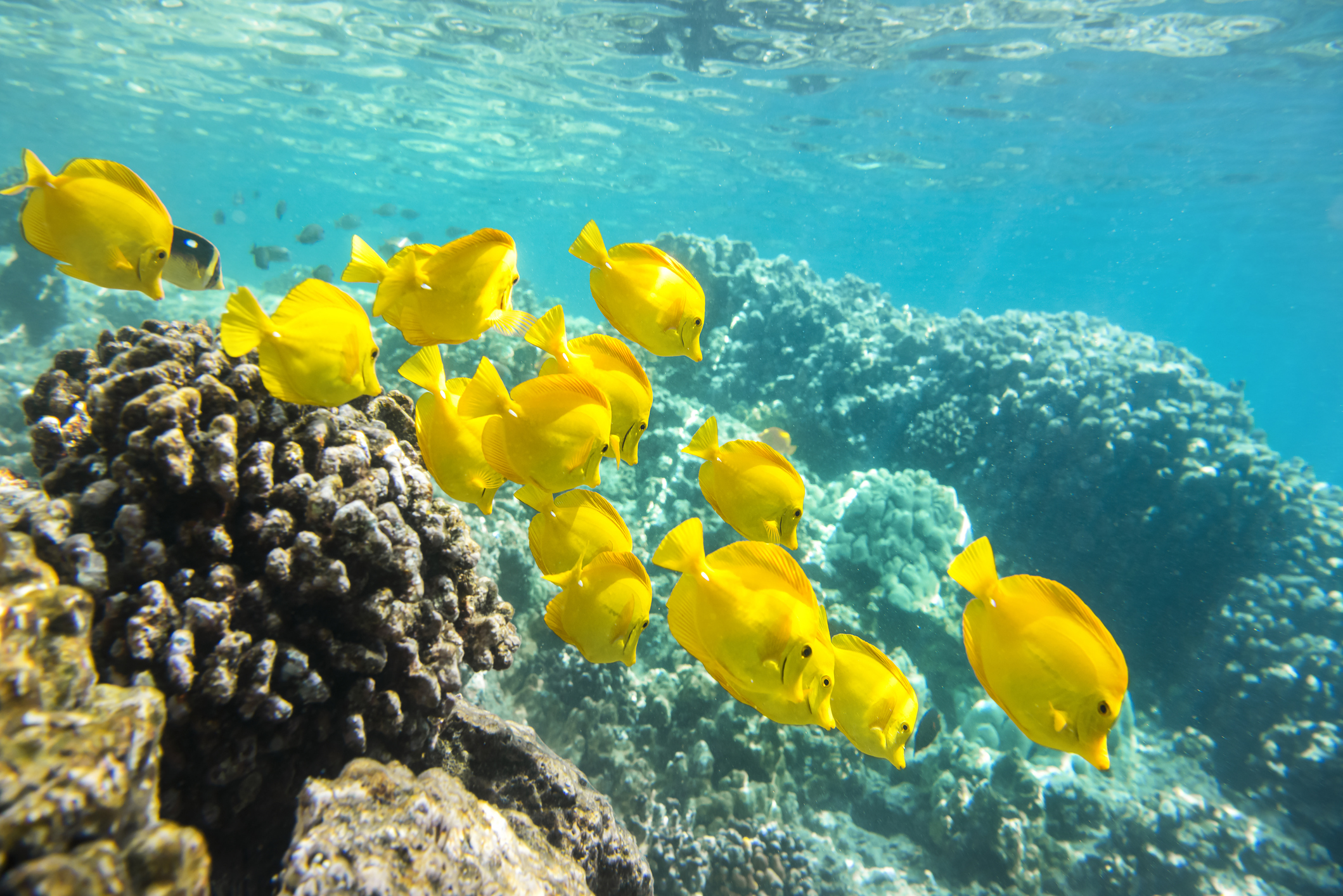
Few places on O‘ahu capture the intersection of natural wonder and conservation responsibility quite like Hanauma Bay. Formed within a volcanic cone on the island’s southeastern shore, the bay is home to hundreds of species of reef fish, sea turtles, and a coral ecosystem that has been carefully rebuilding after decades of overuse.

Snorkeling here is extraordinary, but it comes with responsibility. Advance reservations are required (the bay fills quickly, and day-of entry is not guaranteed), and all visitors must watch a brief marine education video before entering the water. These measures exist for good reason: this reef belongs to the creatures that live on it, and every visitor plays a role in keeping it healthy.

When in the water, the rules are simple and important: 

  • Don’t touch, stand on, or kick the coral
  • Don’t chase, feed, or crowd marine life
  • Use mineral-based reef-safe sunscreen
  • Keep a respectful distance from sea turtles and other protected wildlife
  • Follow all posted rules and lifeguard guidance

Hanauma Bay is also closed on Tuesdays for environmental recovery, so plan your itinerary around that closure.


Beaches Close to Prince Waikiki


You don’t need to travel far from Prince Waikiki to find beautiful O‘ahu beaches. In fact, some of the island’s most accessible and enjoyable stretches of sand are practically at the hotel’s doorstep.

Ala Moana Beach Park, just steps from Prince Waikiki, is a local favorite. It features a long, calm stretch of beach with a protected swimming area, grassy parkland, and a relaxed, community feel distinct from the busier, tourist-facing shoreline farther east.

Waikiki Beach itself is iconic for a reason. The gently sloping shore, warm water, and consistent surf make it ideal for everything from first-time surfing lessons to long swims at sunrise. At the western end of Waikiki, Duke Kahanamoku Beach tends to be calmer and less crowded than the central section.

Sans Souci Beach (also called Kaimana Beach) is at the quieter Diamond Head end of Waikiki. It’s more secluded and offers calm, clear water and a neighborhood feel that’s a world apart from the main strip.


How to Explore O‘ahu Respectfully

O‘ahu’s natural wonders are irreplaceable, and they’re under pressure from the sheer number of people who love them. Here is how to explore the island respectfully.


  • Stay on marked trails. Veering off-path causes erosion, damages native plants, and can be genuinely dangerous on steep terrain.
  • Don’t touch coral or wildlife. Coral is a living organism, so even a single touch can kill polyps that took decades to grow. Additionally, sea turtles, monk seals, and seabirds all have federally protected space.
  • Pack out what you bring in. Hawaii’s natural spaces don’t have the infrastructure to absorb visitor waste. Take everything you arrived with.
  • Check access rules before you go. Some trails and beaches have permit systems, reservation requirements, or seasonal closures. A quick check before your visit saves time and helps protects the land.
  • Wear reef-safe sunscreen. Hawaii state law prohibits the sale of sunscreens containing oxybenzone and octinoxate. Bring mineral-based (zinc oxide or titanium dioxide) sunscreen from home or pick some up on the island.
  • Give yourself more time than you think. The best moments on a trail or in a bay almost always happen when you’re not rushing. Slow down, look around, and let the place have its effect on you.


Your Oceanfront Home Base in Waikiki

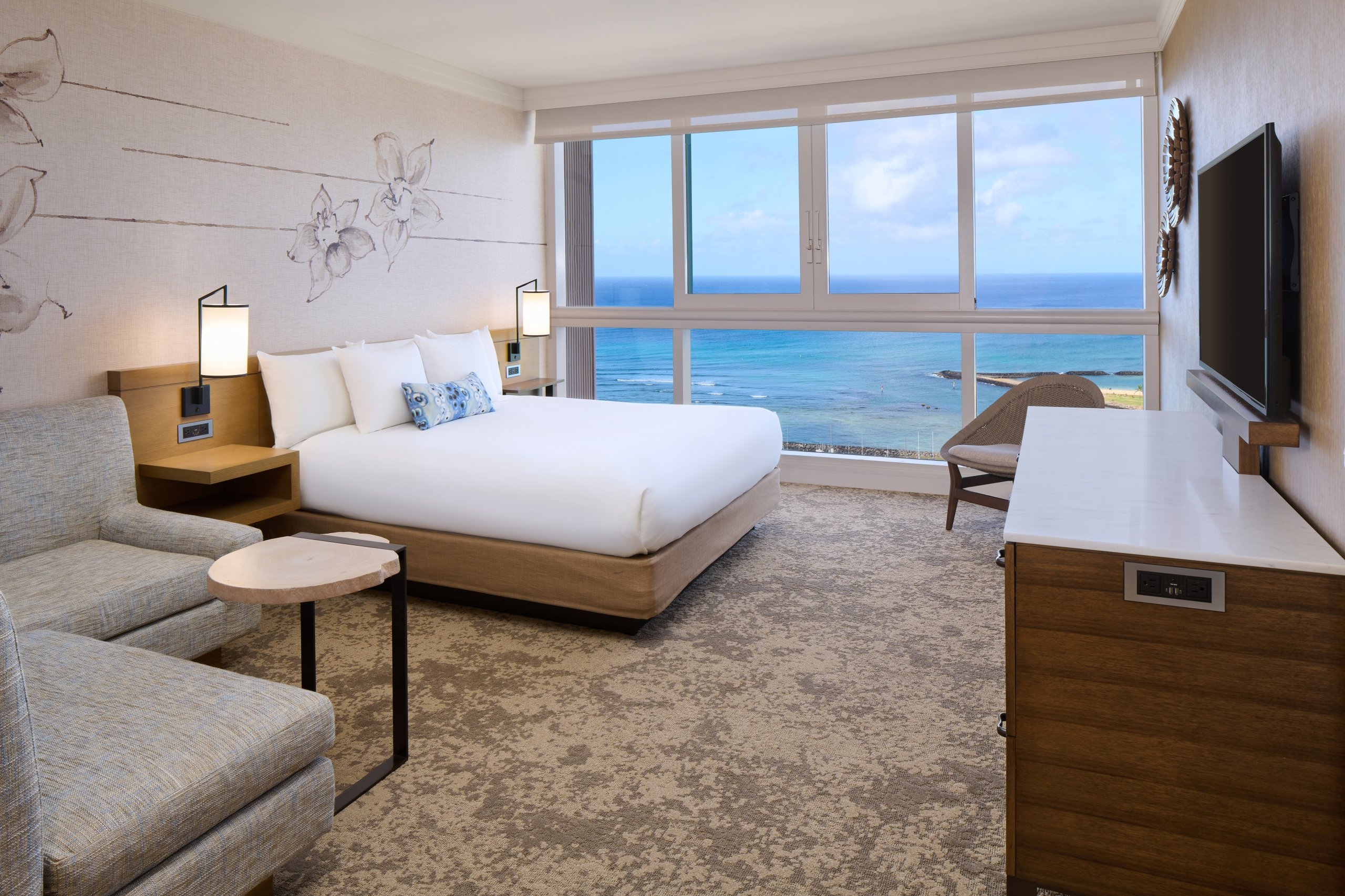
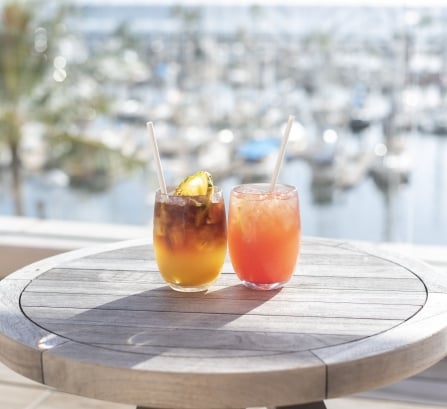
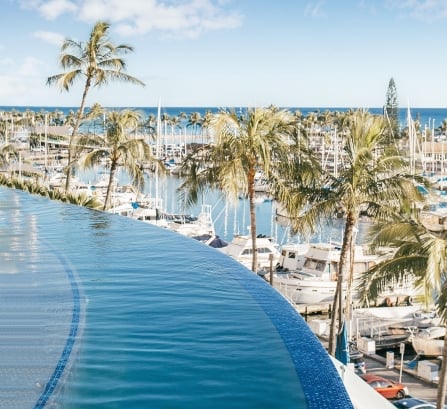
After a morning on the summit of Lē‘ahi, an afternoon in Mānoa Valley, or a full day on the North Shore, returning to Prince Waikiki is its own reward. Oceanfront accommodations bring the Pacific directly into your line of sight. Unwind with a Naio Bliss spa service, enjoy a meal at 100 Sails Restaurant & Bar, or relax with cocktails by the pool at Hinana Bar. And our location at the quieter, more residential edge of Waikiki — steps from Ala Moana Beach Park and easy access to the broader neighborhood — means the energy of the island feels present but never overwhelming.


Whether you’re planning an O‘ahu nature getaway or looking for a refined Waikiki stay with easy access to the island’s outdoor experiences, Prince Waikiki gives you a comfortable starting point.


Explore our latest offers and book your stay at Prince Waikiki today.


Oceanfront Suite in Prince Waikiki with ocean views from the floor-to-ceiling windows.

Frequently Asked Questions

Lē‘ahi/Diamond Head is the classic starting point for sweeping coastal views. Mānoa Falls offers a lush valley trail and waterfall experience close to Waikiki. Hanauma Bay is one of the island’s most memorable marine preserves, while the Ko‘olau Range, Waimea Valley and the North Shore offer mountain views, botanical gardens and culturally significant landscapes.

Lē‘ahi/Diamond Head is one of the most popular hikes near Waikiki, with a short but steady climb to panoramic views. Mānoa Falls is another excellent option, especially if you prefer a shaded valley trail. For coastal scenery, the Makapu‘u Point Lighthouse Trail offers wide ocean views on a paved route.

Yes. Lē‘ahi/Diamond Head is a short drive from Prince Waikiki, making it a convenient morning hike from the hotel. An early start is recommended to avoid the strongest heat and busiest trail times.

Yes. Non-resident visitors need advance reservations for Diamond Head, and Hanauma Bay also requires reservations. Hanauma Bay fills quickly and is closed on Tuesdays, so check availability before building it into your itinerary.

Bring water, mineral-based reef-safe sunscreen, a hat, lightweight layers and comfortable shoes with grip. For beach or snorkeling days, pack a swimsuit, towel and reusable bag for carrying out any waste. If you’re visiting a valley trail such as Mānoa Falls, a light rain jacket can also be useful.

Ala Moana Beach Park is just steps from Prince Waikiki, while Waikiki Beach, Duke Kahanamoku Beach and Kaimana Beach are all nearby. Lē‘ahi/Diamond Head and Mānoa Falls are also convenient half-day outings from the hotel.

Connect With Us @PrinceWaikiki