What You’ll Find in This Article
- When to go and what to expect during whale season on Oʻahu
- A breakdown of shore watching and guided boat tour experiences
- A side-by-side comparison to help you decide which option suits you best
- Photography tips and what to bring for a comfortable day out
What Makes Whale Season in Oʻahu So Special
Hawaii sits at the heart of one of the most significant humpback whale habitats in the North Pacific. The warm, calm, and relatively shallow waters surrounding the islands create ideal conditions for mother whales and their newborn calves, which is why they return here year after year. For visitors, this means the chance to witness one of nature’s most breathtaking seasonal events up close, in one of the most beautiful places on earth.
Whale Watching on Oʻahu Fast Facts
- Best season: December through May
- Peak months (best odds): January to March
- Top viewing windows: Early morning (calmer seas, clearer conditions), plus midafternoon to sunset for softer light and less glare
- Easy shore-watching spots from Waikiki: Diamond Head, Makapuʻu Point Lighthouse Trail and the coastline near Hanauma Bay
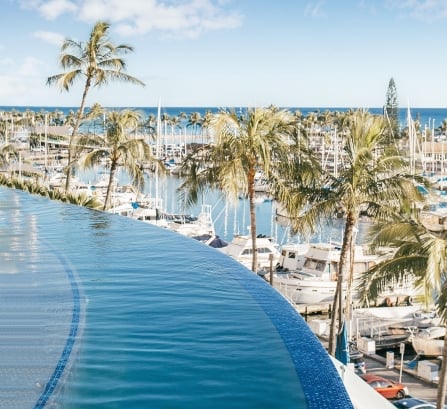
- Closest tour departures to Prince Waikiki: Ala Wai Boat Harbor (walkable from the hotel)
Best Time for Whale Watching on Oʻahu (and Waikiki)
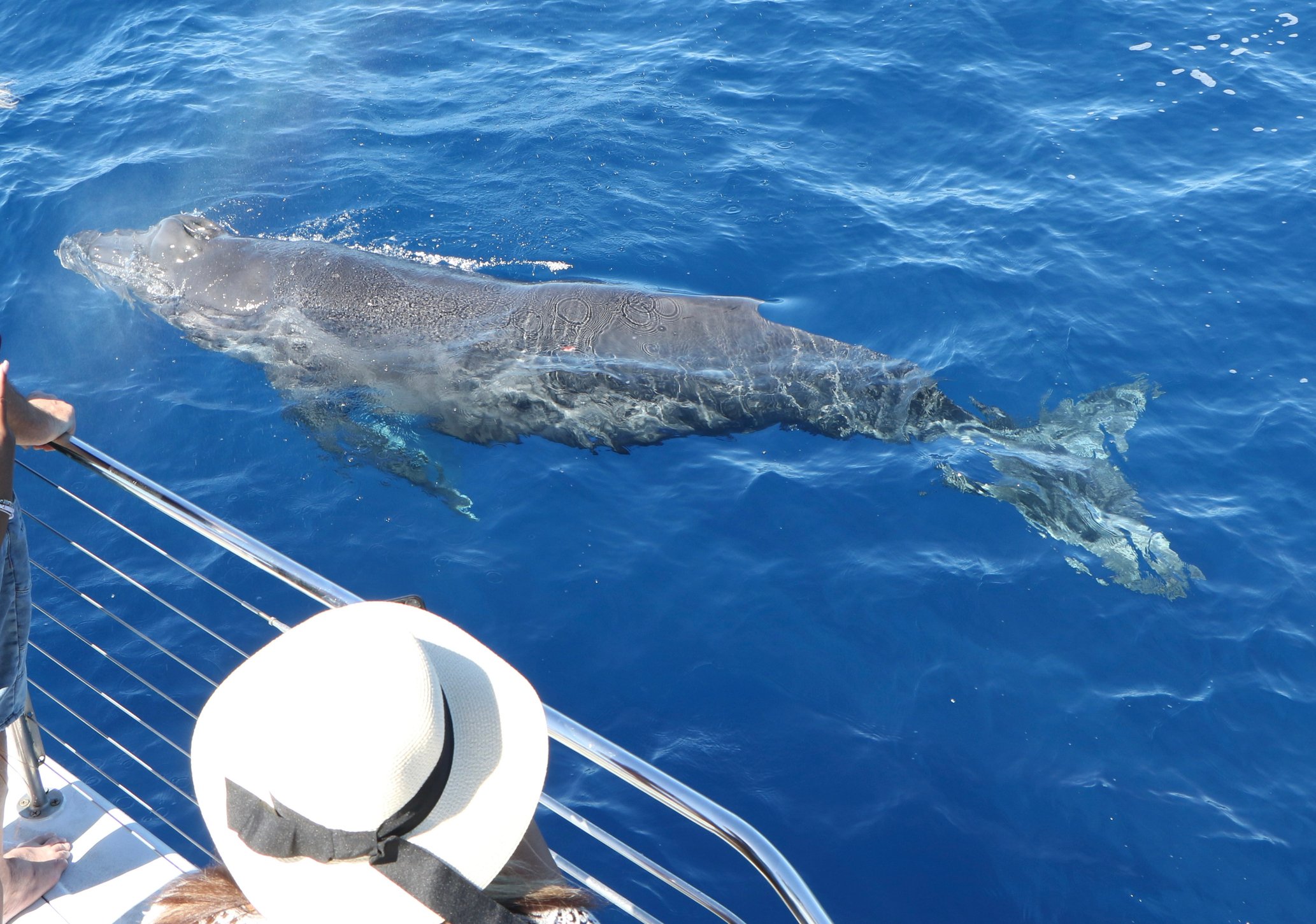
Peak whale season runs from January through March, when the greatest concentration of humpback whales is present in Hawaiian waters. Sightings are possible as early as December and as late as May, but if you are planning a trip specifically around whale watching, these three months offer the best odds.
The time of day you head out can make a real difference. Early morning offers the calmest seas and clearest conditions, while midafternoon and the hour before sunset can also be ideal as the light softens and glare on the water reduces. It is always worth checking the forecast before you head out, as heavy swell and choppy conditions can make spotting more difficult.
What You Can Expect to See
Humpback whales are the most commonly spotted species in Hawaiian waters during winter. Adults can reach up to 52 feet in length and weigh as much as 45 tons (yes, really), making every sighting a genuinely captivating experience.
The most common sight is a spout, the burst of mist that appears when a whale surfaces to breathe. Beyond spouts, you may witness some of the more dramatic behaviors humpbacks are known for. Tail slaps, pec slaps, and spy hops, where a whale lifts its head out of the water to look around, are all relatively common. A breach, where a whale propels up to 40 percent of its body out of the ocean before crashing back down, is less frequent but truly unforgettable.
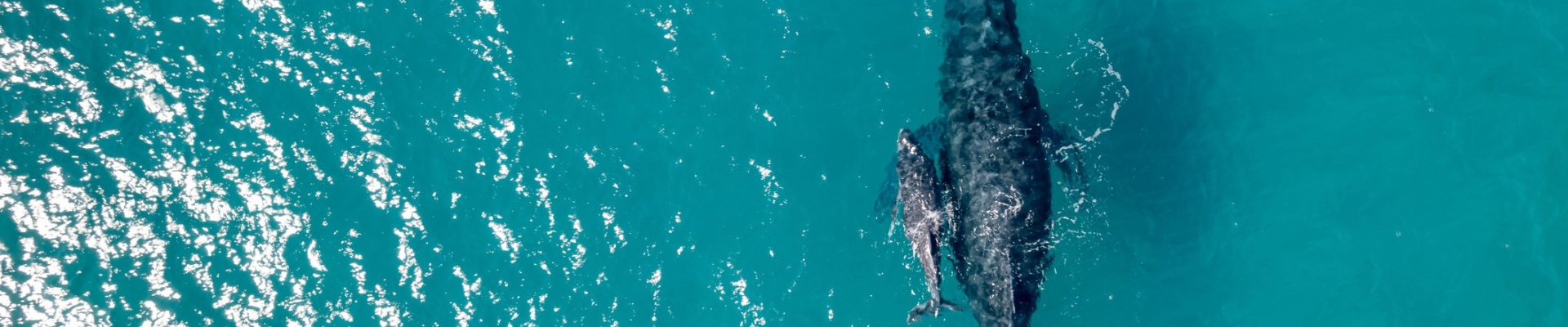
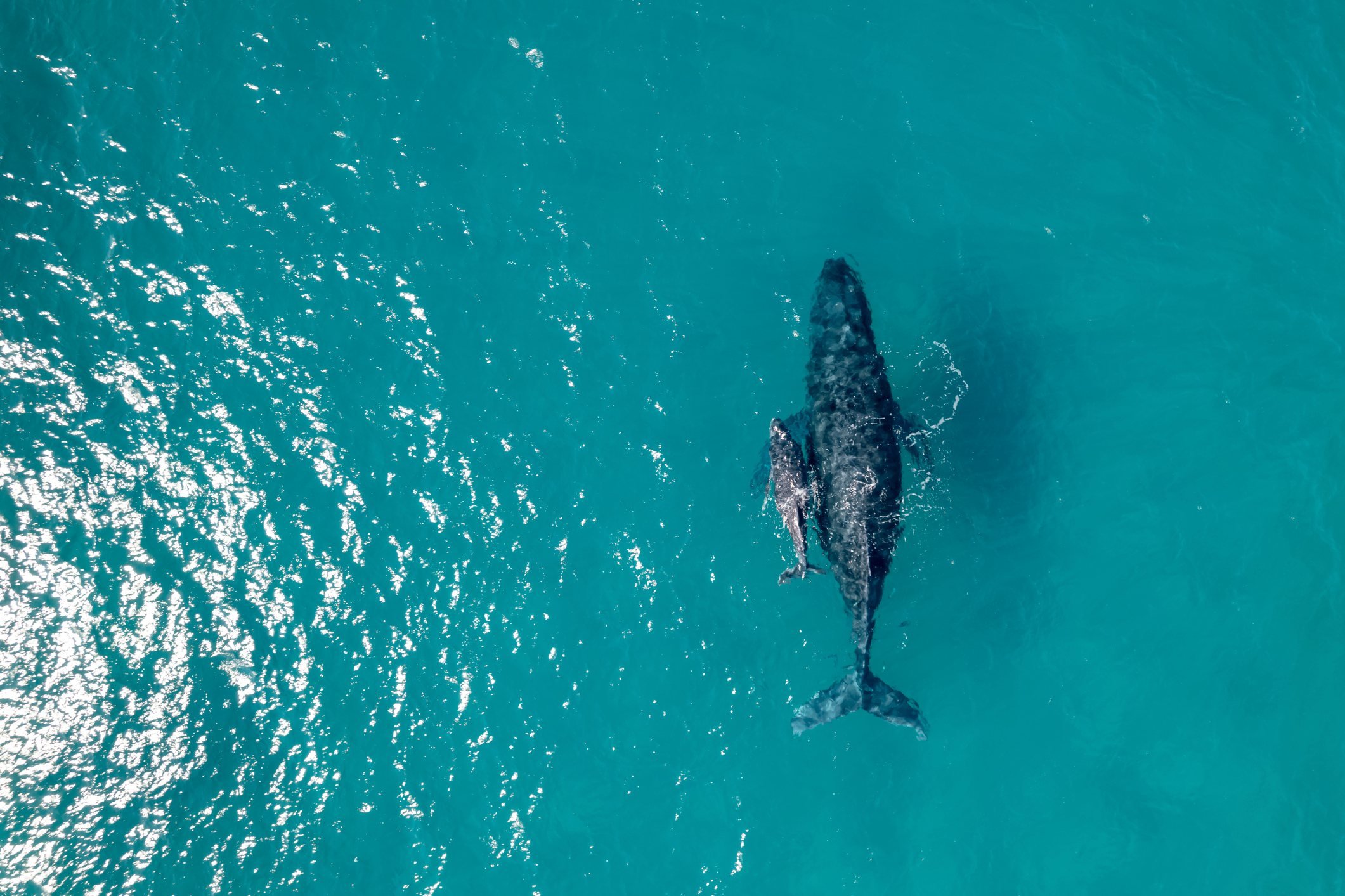
During the heart of the season, mothers swimming alongside their newborn calves, known as keiki, are one of the most memorable sights to watch for. Other whale species live in or pass through Hawaiian waters, including pilot whales and false killer whales, but sightings are much less common during a typical Oʻahu whale watching experience.
Whale Watching from Shore
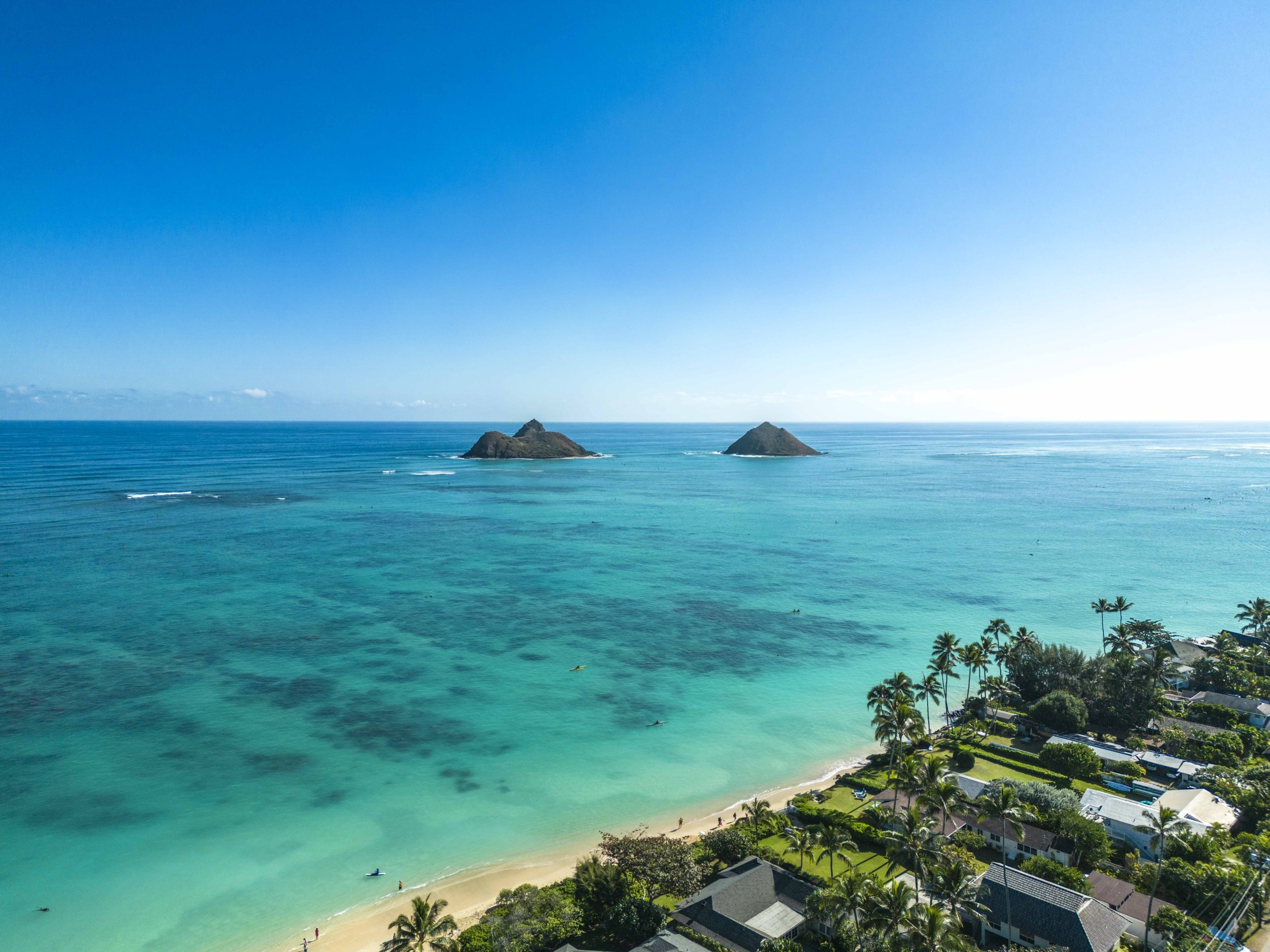
Shore watching suits those who prefer a relaxed, self-guided experience and are happy to wait for the action to come to them. All you need is a good vantage point and a little patience!
From Prince Waikiki, several excellent shore watching spots are within easy reach.
- The elevated coastal views from Diamond Head State Monument, about a 10- to 15-minute drive from the hotel, offer a wide perspective across the open Pacific and are particularly good on clear mornings.
- Makapuʻu Point Lighthouse Trail, about 25 minutes from the hotel, provides some of the most expansive ocean views on the island and is one of the most popular shore watching spots during whale season.
- Hanauma Bay, though best known for snorkeling, also sits along a stretch of coastline that can yield whale sightings during the winter months.
Whale Watching on the Water
A guided boat tour is the most immersive way to experience whale season. Being out on the open water puts you in the whales’ environment rather than watching from a distance, and the encounters can be extraordinary.
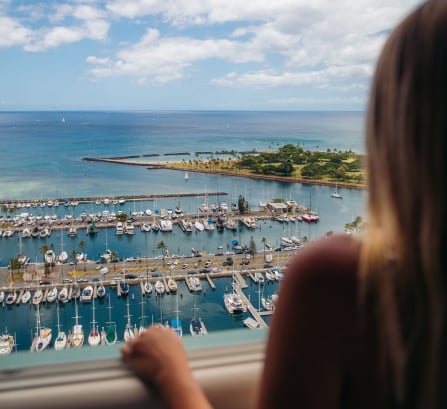
Most whale watching tours on Oʻahu depart from Ala Wai Boat Harbor, just a short walk from Prince Waikiki, making it easy to head out after breakfast and return with plenty of time to unwind back at the hotel.
Tours include expert narration on whale behavior, biology, and the cultural significance of koholā in Hawaiʻi, with a range of tour styles available to suit different preferences. Operators like Star of Honolulu offer larger vessels with spacious viewing decks, ideal for families or groups who prefer a more stable ride. For a more intimate experience, Wild Side Specialty Tours and Ko Olina Ocean Adventures provide smaller group outings that feel more personal and closer to the action.
Prince Tip: Whale watching tours fill up quickly during peak season. We recommend booking in advance, and our concierge team is happy to point you toward trusted operators and help you find a departure time that works around your day.
Shore vs. Boat Whale Watching: Which is Right for You?
First-time whale watchers who want the best possible chance of a close encounter will find a boat tour hard to beat. Those who prefer a slower, more scenic morning will find plenty to enjoy from the shore.
|
Shore Watching |
Boat Tour |
| Best for |
A relaxed, self-guided experience |
An immersive, up-close encounter |
| Cost |
Free |
Varies by operator |
| Viewing distance |
Distant, with spouts and breaches on the horizon |
Much closer to the action |
| Best chance of sightings |
Possible, especially from elevated coastal lookouts |
Generally higher, with guides helping spot activity |
| Flexibility |
Fully flexible, go at your own pace |
Fixed departure times |
| Comfort considerations |
No boat motion, but more waiting and patience required |
Ocean conditions can vary, and motion sickness may be a factor |
| What to bring |
Binoculars, a camera, and polarized sunglasses |
Camera, waterproof case, light jacket, and motion sickness medication if needed |
| Good for families |
Yes |
Yes, particularly larger vessels |
What to Bring on a Whale Watching Tour
Whether you are heading out on the water or finding a spot along the shore, a little preparation goes a long way.
- Reef-safe sunscreen, a hat, and polarized sunglasses.
- A light jacket for cooler ocean breezes.
- Non-slip shoes for boat tours.
- Binoculars for shore watching.
- Motion sickness medication for boat tours (if needed).
- A fully charged phone or camera with a waterproof case or dry bag.
- A portable charger to keep you powered through a long morning out.
Whale Watching Photography Tips
- On a Boat: Stability is your biggest challenge. Keep your elbows close to your body to reduce shake, and brace against a railing whenever possible. A handheld approach works far better than a tripod or monopod on a moving deck. Burst mode is essential as whale activity happens fast, and having multiple frames to choose from significantly improves your chances of a great shot.
- From Shore: Patience is your most important asset. Keep your eyes on the horizon, and once you spot activity, stay focused on that area as whales tend to surface in the same spot multiple times. Shoot with the light behind you where possible, and consider switching to video on your phone during active moments (you can always pull a still frame from it later).
- Zoom: On a phone, use optical zoom rather than digital zoom for a cleaner, sharper result. If you have a dedicated camera, a longer lens will give you more reach for distant subjects.
- Protecting Your Gear: Sea spray can damage cameras and phones quickly and without warning. A waterproof case or dry bag is strongly recommended before you board. Secure your camera strap before heading out and hold your phone with both hands when shooting near the water.
- Lighting & Camera Settings: Overcast days can produce beautiful, even light for whale photography. Avoid shooting directly into the sun where possible, and use a fast shutter speed where lighting conditions allow to freeze motion and reduce blur.
Whale Watching Responsibly
Whales hold deep significance in Hawaiian culture, and the arrival of koholā each winter is a reminder of the islands’ profound connection to the ocean. Whether you are on the water or on the shore, observing these animals with care and respect is essential. Federal law asks that you keep a distance of at least 100 yards from whales at all times. You should also never swim or touch whales or any other marine animals. You can learn more about how to view whales responsibly here.
FAQs on Whale Watching in Oʻahu
When is whale watching season on Oʻahu?
Whale season on Oʻahu runs from December through May. January through March is when activity is at its highest and sightings are most frequent.
Can you see whales from the shore near Waikiki?
Yes. Diamond Head, Makapuʻu Point, and Hanauma Bay are all within a short drive of Prince Waikiki and offer good conditions for shore watching during the season. Sightings are never guaranteed but are most common during peak months.
Is a boat tour or shore watching better for first-time whale watchers?
A boat tour gives you the best chance of a close, memorable encounter. Shore watching is a great option if you prefer a relaxed, flexible morning without a fixed schedule.
Do I need to book a whale watching tour in advance?
Yes. Tours fill up quickly during peak season, particularly on weekends. Booking ahead gives you the best choice of departure times and operators.
What should I bring for a whale watching day?
Reef-safe sunscreen, a hat, polarized sunglasses, binoculars, a light jacket for ocean breezes, non-slip shoes for boat tours, and a fully charged phone or camera with a waterproof case.
Plan Your Whale Season Stay at Prince Waikiki
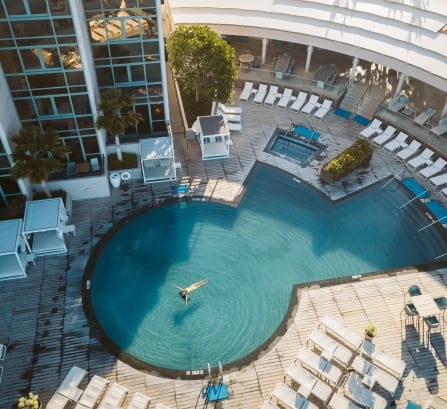
Whale season is one of the most magical times to visit Oʻahu, and Prince Waikiki makes it easy to enjoy every part of it. After a morning on the water or along the coast, return to the comfort of your room or suite, unwind by the infinity pool, head to Naio Bliss Spa for a rejuvenating spa treatment, or fuel up at 100 Sails Restaurant & Bar.
Ready to make the most of whale season on Oʻahu? Explore our latest offers and start planning your Prince Waikiki whale season getaway today.