If you want to experience O‘ahu more meaningfully, start with a few guiding Hawaiian values—aloha, mālama, kuleana, pono, lōkahi, and ‘ohana—and let them shape how you move through the islands. Below, you’ll find a respectful starting point: what these values mean in everyday life, cultural traditions you may encounter, and practical etiquette for sacred sites, photography, wildlife, and the ocean.
Article
Hawaiian Culture 101: Traditions, Values & What Visitors Should Know
May 25, 2026

Hawaii feels different the moment you arrive. It isn’t just the welcoming warmth of the air or the spectacular color of the water. It’s something quieter, woven into the way people move through their days, the way they speak about the land beneath their feet. Understanding more about Hawaiian traditions and values, and how to travel mindfully on O‘ahu, will transform your time here from a wonderful vacation into something genuinely meaningful.
This isn’t a definitive guide to Hawaiian culture — that would take a lifetime, and even then, there would still be more to learn — so think of it instead as a respectful starting point. We hope it deepens your stay with us at Prince Waikiki and leaves you with a profound appreciation to bring home.
Hawaiian Values That Shape Everyday Life
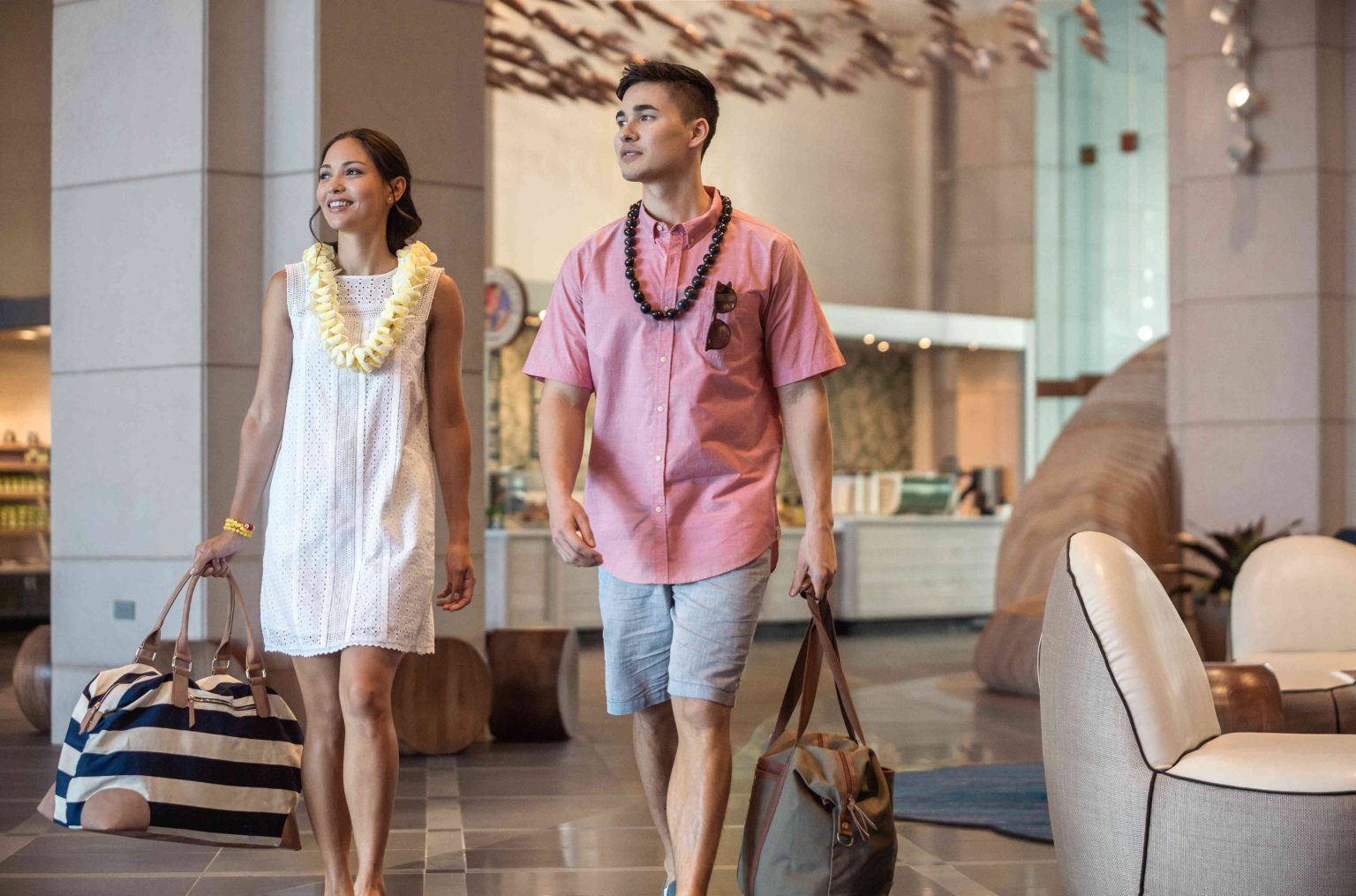
Hawaiian culture is built on a set of core values that are living practices — visible in daily interactions, in the way communities care for one another, and in how people relate to the natural world. Here are a few you’ll encounter, along with what they look like in real life.
| Value | Meaning | What it looks like as a visitor |
| Aloha | Warmth, presence, care | Slowing down, meeting people with genuine respect |
| Mālama | Care for, protect, preserve | Treading lightly, following ocean and wildlife guidance |
| Kuleana | Responsibility and privilege | Learning before you go, supporting local, respecting sacred spaces |
| Pono | Integrity, balance, “doing what’s right” | Pausing before acting, choosing respect over convenience |
| Lōkahi | Harmony, unity, interconnection | Remembering you’re a guest in a living ecosystem |
| ‘Ohana | Family and community | Showing up with kindness, appreciation, and reciprocity |
What Does “Aloha” Really Mean?
Aloha is more than hello or goodbye. It’s a way of being—showing care, respect, and compassion in how you treat people and place.
You’ll probably say aloha many times during your visit, but it means far more than a greeting. In fact, it’s referenced in Hawaii state law.
Enacted in 1986, the “Aloha Law” (or Aloha Spirit Law) defines Aloha Spirit as “a guiding principle for state government, officials, and citizens. It dictates that people and government officials should treat others with care, respect, and compassion, treating the concept of ‘aloha’ as more than a greeting, but as a philosophy of life.”
So, at its heart, aloha is a way of life — of meeting another person with openness, warmth, and genuine care. You can see it in the kindness of a local giving directions, in the ease with which strangers share a smile, and in the grace with which Hawaiians welcome visitors to their home. When you slow down, make eye contact, and engage with real warmth, you’re practicing aloha, too.
Mālama: Care, Protect, and Preserve
Mālama means to care for, protect, and preserve. You’ll see it in the way locals speak about the ‘āina (land) and kai (ocean)—and in island-wide efforts to protect reefs, wildlife, and natural spaces.
As a visitor, mālama is simple:
- Leave places as you found them (or better)
- Follow posted guidelines at beaches and trails
- Consider the impact of your presence on nature and community
Kuleana: Responsibility and Privilege
Kuleana is the understanding that privilege comes with responsibility. For visitors, kuleana can look like:
- Learning a bit before you arrive
- Being mindful in sacred spaces
- Supporting local businesses and Hawaiian artists
- Respecting the environment and community norms
Pono: Righteousness and Balance
Pono speaks to righteousness and balance, acting with integrity and in alignment with what is good and just. You’ll find it in the Hawaiian state motto: Ua mau ke ea o ka ‘āina i ka pono (“The life of the land is perpetuated in righteousness”). For visitors, pono is a quiet reminder to pause before acting, to ask whether something is appropriate, and to choose respect over convenience.
Lōkahi: Unity and Harmony
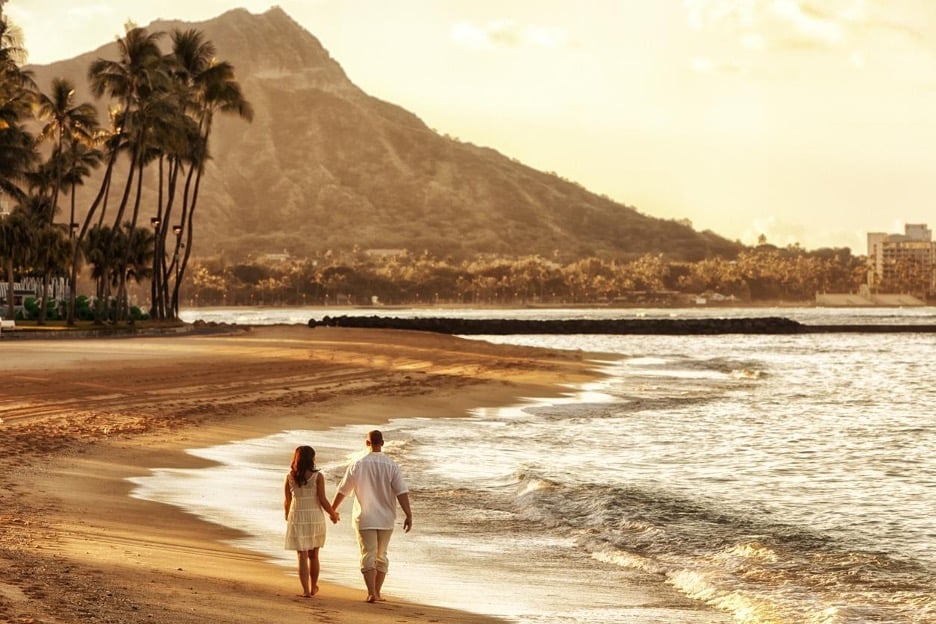
Lōkahi is the pursuit of unity and harmony between people, between communities, and between humanity and nature. In practice, it’s an invitation to see yourself as part of something larger during your time here. You are a guest in an ecosystem and a culture that has sustained itself for centuries. Moving through the islands with awareness of that connection is Lōkahi in action.
‘Ohana: Family and Community
‘Ohana extends well beyond the immediate family. It encompasses the broader community — neighbors, friends, and yes, visitors who engage with genuine respect and warmth. You may find the aloha spirit draws you into conversations and moments of unexpected connection during your stay. That sense of belonging is one of Hawaii’s most enduring gifts.
What cultural traditions might you see on O‘ahu?
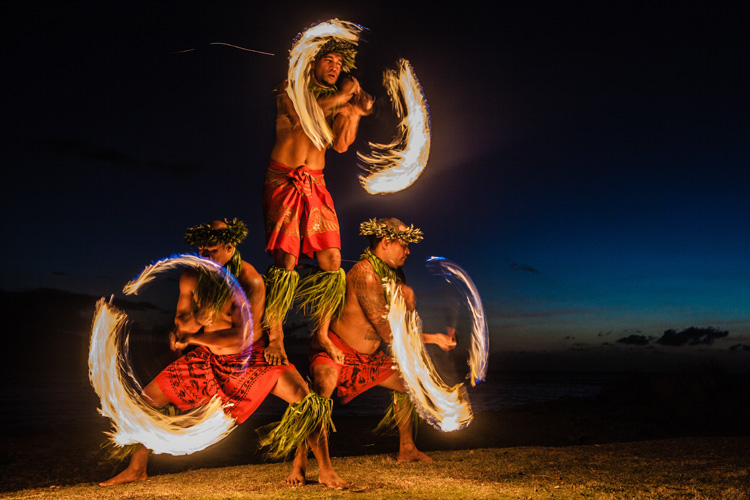
Hawaiian traditions and cultural practices are not relics of the past. They are living, breathing expressions of identity, history, and connection that you may experience during your stay at Prince Waikiki. Here’s what to look for, and how to receive each with the respect it deserves.
What is Hula, Really?
Hula is not a dance for performance’s sake. It is one of the most sophisticated storytelling traditions in the world: a physical language through which history, genealogy, and the stories of the gods and the land are preserved and passed down. Each movement of the hand, each step, each expression carries meaning. When you watch hula — whether at a cultural event, a lū‘au, or a community gathering — watch with that understanding. You are witnessing something ancient and alive.
Mele and Oli: Singing and Chanting
Mele encompasses the musical and chant traditions of Hawaii and, like hula, serves as a form of oral history. Oli (Hawaiian chant) holds particular significance and is often used to open sacred spaces, honor the natural world, or mark important occasions. If you hear chanting at a cultural site or ceremony, listen quietly and respectfully. It is not background music.
Lei: Giving and Receiving Respectfully
The gift of a lei is an act of aloha, a gesture of welcome, celebration, or affection. If you are offered a lei:
- Accept it graciously with both hands and a genuine thank you
- Avoid removing it in front of the giver
- If you need to part with it, ask your hotel team or a local host how to do so respectfully
- If you’re unsure, don’t discard it casually
Heiau: How to Behave in Sacred Spaces
Heiau are ancient Hawaiian temples — stone platforms and structures used for worship, ceremony, and connection with the divine. O‘ahu has several significant heiau, and visitors are welcome to observe them, but please be sure to approach quietly, stay on designated paths, do not climb or touch the structures, and never remove stones or leave offerings unless you are guided to do so by a cultural practitioner.
Makahiki: A Season of Celebration and Rest
A period spanning roughly four months of the Hawaiian lunar calendar, the Makahiki season was a time of peace, celebration, athletic competition, and tribute to the god Lono. While modern life has shifted its observance, the spirit of Makahiki lives on in Hawaiian cultural festivals and community gatherings throughout the year. If you encounter a Makahiki celebration during your visit, it is a privilege to witness.
Respectful Behavior in Real Situations
Knowing values, traditions, and culture is one thing, but putting them into practice is another. Here’s how to observe cultural etiquette at Hawaiian sacred sites and show up thoughtfully in some of the moments that matter most during your visit.
When you’re unsure what’s appropriate, default to a quiet presence, asking for permission, and following posted rules.
Visiting Cultural Sites
- Arrive quietly and attentively
- Read signage—follow what it asks
- Stay on marked paths
- Don’t climb structures, move stones, or leave items behind
- If a cultural practitioner is present, greet them respectfully and follow their lead
Engaging with Cultural Practitioners
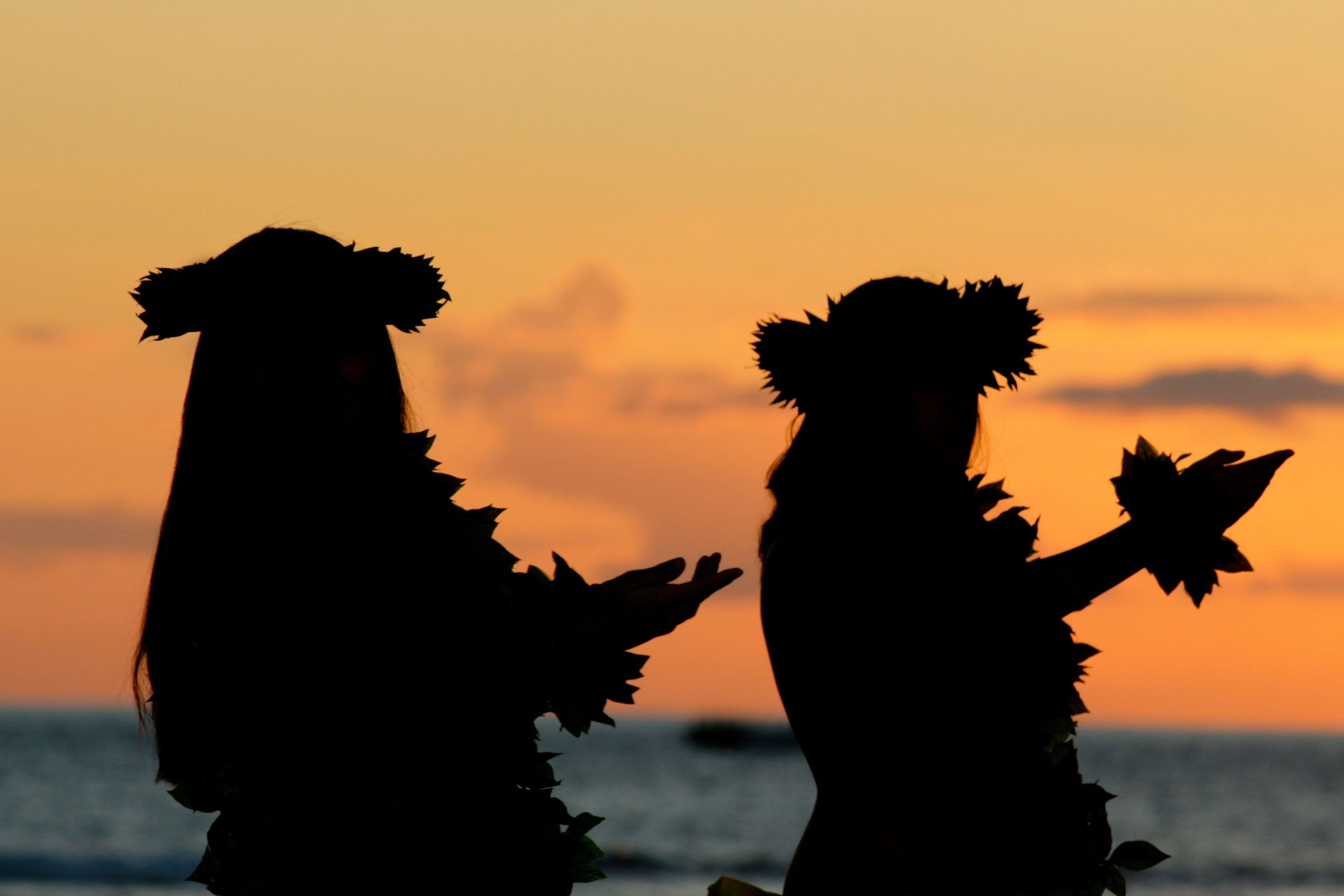
If you have the opportunity to speak with a cultural practitioner — a hula dancer, a kumu (teacher), a craftsperson, an elder — approach with humility and genuine curiosity.
- Listen first
- Ask questions that come from a place of wanting to understand
- Avoid appropriating cultural practices (don’t wear a hula outfit as a costume, attempt to perform sacred chants for entertainment, or purchase or wear regalia that is not yours to wear)
Photography & Video
- Ask before photographing people, especially during cultural moments
- Put the camera away at sacred sites and ceremonies unless clearly permitted
- When in doubt: don’t record—be present
How to be Respectful in Hawaii’s Ocean and Outdoors
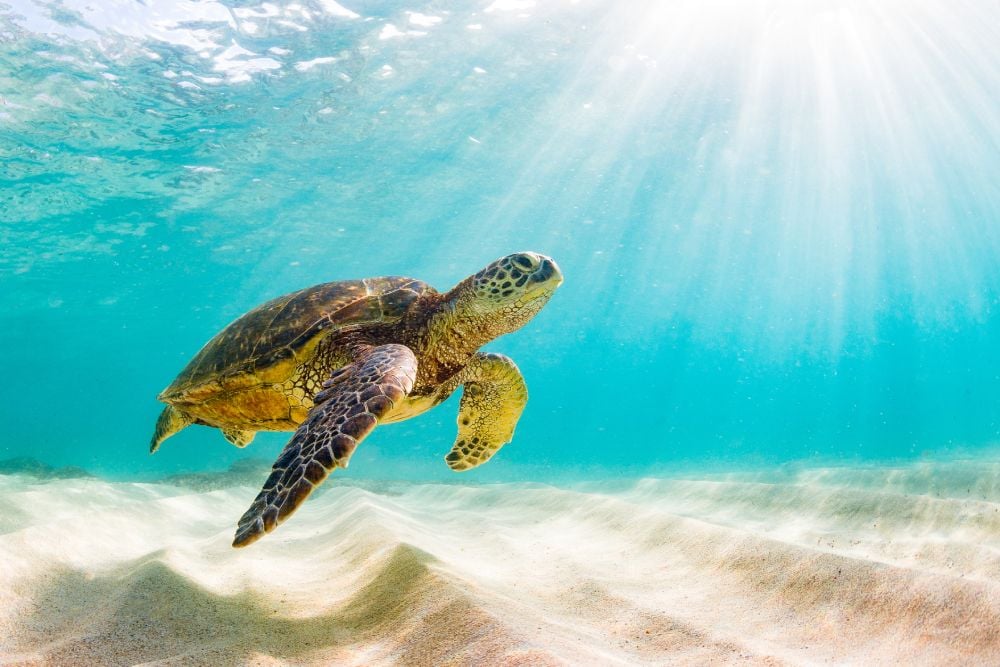
In Hawaii, the land and sea are sacred, storied, and revolve around mālama. Here’s how to move through them with the respect and care they deserve.
Reef-Safe Sunscreen
Hawaii has led the way in protecting its coral reefs by restricting the sale of sunscreens containing oxybenzone and octinoxate (chemicals shown to damage coral ecosystems). Use mineral-based, reef-safe sunscreen throughout your stay, and look for certification on the label.
Wildlife Distance
Hawaiian monk seals, green sea turtles (honu), and nesting seabirds are all federally and state-protected. If you encounter any of these animals, keep a safe distance, do not approach or touch them, and never block their path to the ocean. Honu in particular are sacred to many Hawaiians, so please observe with respect.
Leave No Trace
Take nothing from the natural environment — no sand, shells, rocks, or coral. Beyond being ecologically harmful, the removal of natural materials from Hawaii carries deep cultural weight. Leave every beach, trail, and natural space exactly as you found it (or even better).
Supporting Local Culture, Thoughtfully
One of the most meaningful ways to visit Hawaii is to spend intentionally:
- Seek out locally owned restaurants, shops, and tour operators
- When buying crafts or art, look for pieces made by Hawaiian artists and ask about the maker
- Genuine koa woodwork, lauhala weaving, and Hawaiian quilts carry deep cultural significance—mass-produced imitations do not
Cultural Experiences from Prince Waikiki
One of the most meaningful ways to engage with Hawaiian culture is through the institutions dedicated to preserving and sharing it — and as a Prince Waikiki guest, you have privileged access to some of O‘ahu’s finest.
Bishop Museum
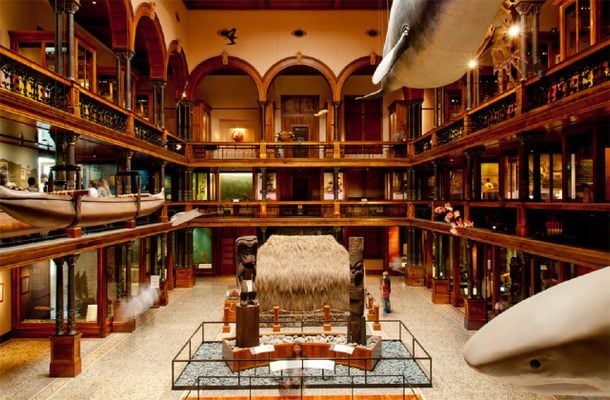
Founded in 1889, the Bishop Museum is the state’s largest museum and the premier institution for Hawaiian and Pacific natural and cultural history. Its collection is extraordinary — from royal artifacts and traditional garments to natural science exhibitions and living cultural programs. As a Prince Waikiki guest, you receive complimentary admission for two adults and two children simply by presenting your room key.
‘Iolani Palace
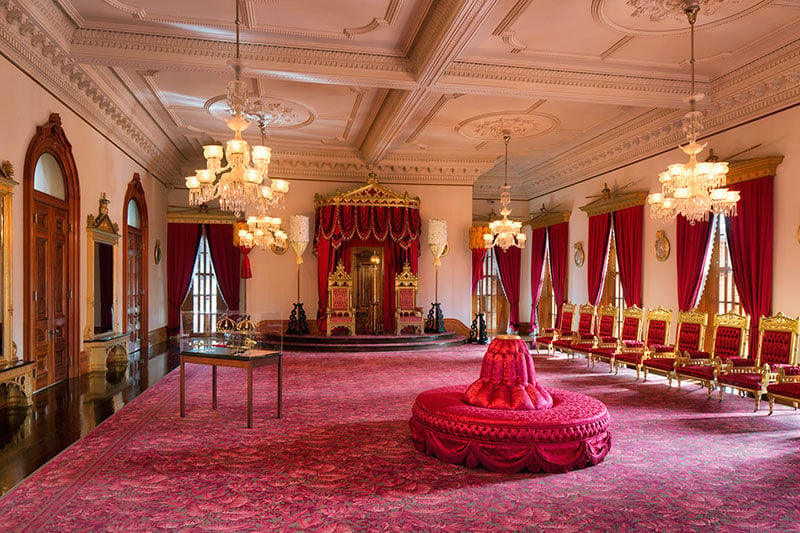
The only official royal residence in the United States, ‘Iolani Palace is one of the most significant historic landmarks in all of Hawaii. Walking the halls where King Kalākaua and Queen Lili’uokalani lived is a moving, essential experience. Prince Waikiki guests receive complimentary admission to the audio tour for two, subject to availability. Speak with our concierge to arrange.
Honolulu Museum of Art
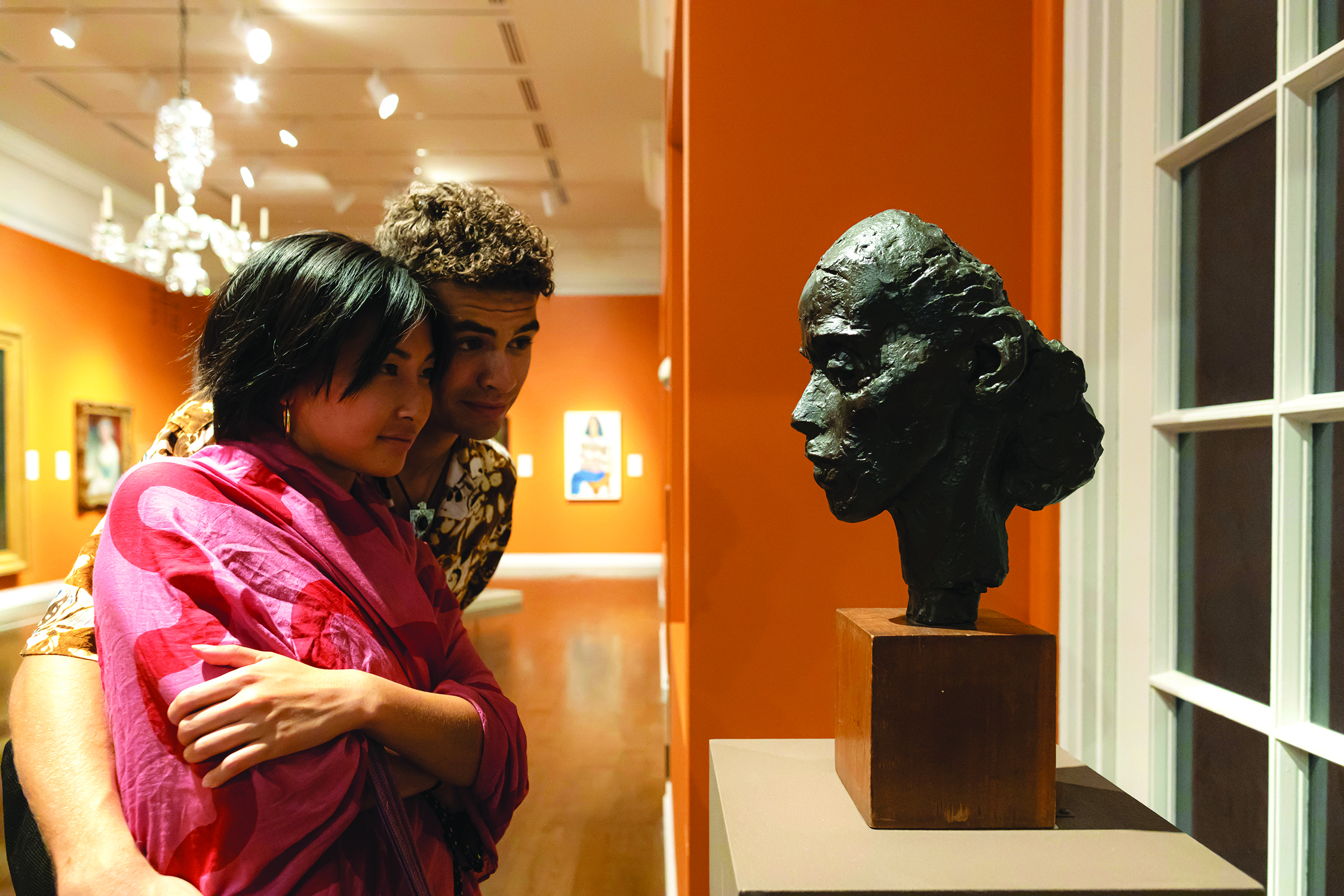
A gem of a museum in the heart of the city, the Honolulu Museum of Art (HoMA) houses an impressive collection spanning Asian, Pacific, and Western art traditions — a beautiful reflection of Hawaii’s own cultural convergence. Prince Waikiki guests receive complimentary admission for two, as well as access to semi-private art tours based on availability.
Prince Waikiki Art Tour
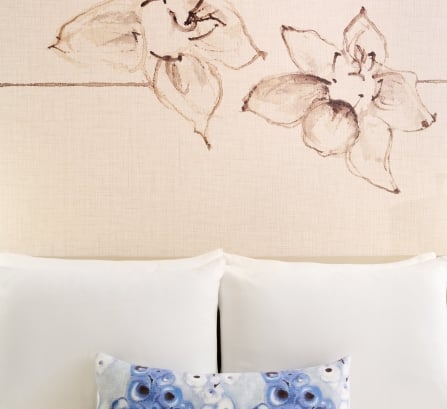
Closer to home, our own walls tell a fascinating story. Prince Waikiki features a curated art collection that represents the history and story of our location. Ask our team about our complimentary guided art tour. It’s a quietly wonderful way to begin your cultural journey without even leaving the hotel.
Frequently Asked Questions
What are the core values in Hawaiian culture?
Hawaiian culture is guided by several interconnected values that shape everyday life, including aloha, mālama, kuleana, pono, lōkahi, and ‘ohana. Start with the “Hawaiian values” section above and try choosing one value to practice each day of your trip.
What does “aloha” really mean beyond hello and goodbye?
Aloha is a way of being—meeting others with warmth, openness, and care. You’ll feel it in the unhurried pace of conversation and the grace with which many Hawaiians welcome guests. When you slow down and engage with intention, you’re already practicing it.
Are there rules for visiting heiau and other sacred places?
Yes. Heiau are living sacred spaces. Stay on designated paths, don’t climb or touch structures, and never remove stones or leave items behind. Read posted signage and follow the lead of any cultural practitioners present.
Is it disrespectful to take photos at cultural sites or ceremonies?
It depends. At open cultural sites, photography may be fine, but always ask before photographing people. At sacred sites and ceremonies, default to putting the camera away unless clearly permitted.
How do you pronounce Hawaiian words like Oʻahu correctly?
Hawaiian is phonetic: every vowel is sounded (a = ah, e = eh, i = ee, o = oh, u = oo). The ‘okina (’) is a glottal stop—a brief pause, like in “uh-oh.” So O‘ahu is oh-AH-hoo, not oh-WAH-hoo. The kahakō (macron) marks a longer vowel sound.
Ready to explore the traditions, culture, and beauty of O‘ahu? Explore our latest offers, including our Sizzling Summer deal, and let us help you plan an experience that goes far beyond the ordinary.